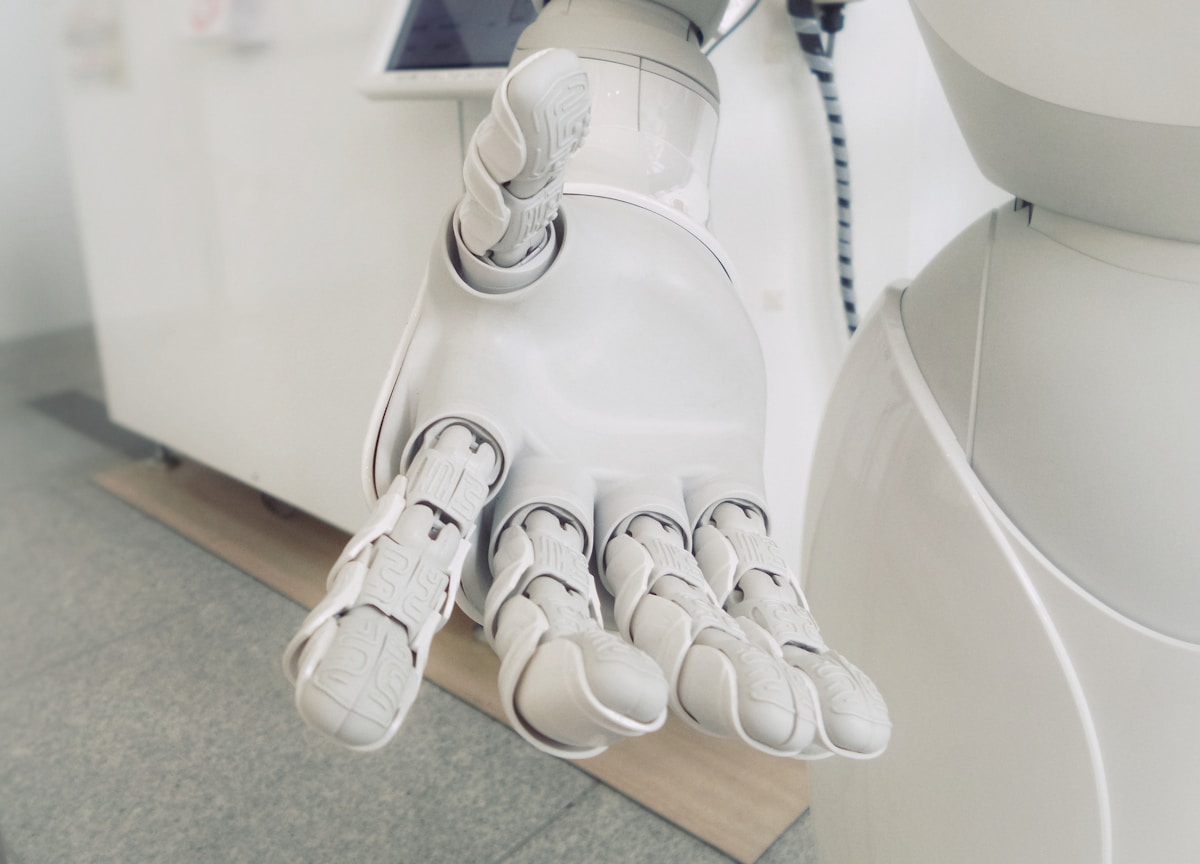
The relationship between human expertise and artificial intelligence is being fundamentally redefined. Rather than simple replacement, we are witnessing the emergence of new forms of collaborative intelligence.
Beyond the Replacement Narrative
Early discussions of AI focused on which jobs would be automated. This framing misses the more nuanced reality:
- Task decomposition: Jobs are bundles of tasks, some enhanced by AI, others requiring human judgment
- Skill evolution: Expertise shifts from execution to oversight, verification, and exception handling
- Value migration: Premium shifts to uniquely human capabilities
The New Division of Labor
Effective human-AI collaboration requires understanding comparative advantages:
AI Strengths
- Processing vast amounts of information
- Maintaining consistency across repetitive tasks
- Operating continuously without fatigue
- Pattern recognition across large datasets
Human Strengths
- Contextual judgment in novel situations
- Ethical reasoning and value alignment
- Creative problem-solving and innovation
- Empathetic communication and relationship building
Emerging Collaboration Models
The Human-in-the-Loop
Critical decisions benefit from human oversight:
| Domain | AI Role | Human Role | |--------|---------|------------| | Medical diagnosis | Initial screening, pattern detection | Final diagnosis, treatment decisions | | Legal analysis | Document review, precedent search | Strategy, client counseling | | Financial analysis | Data processing, anomaly detection | Risk assessment, recommendations |
The AI-Augmented Expert
Professionals using AI tools to enhance capabilities:
- Researchers using AI to survey literature and generate hypotheses
- Engineers using AI for design optimization and simulation
- Analysts using AI for forecasting and scenario modeling
Skills for the Collaborative Future
Success in this environment requires new competencies:
- AI literacy: Understanding what AI can and cannot do
- Verification skills: Ability to assess AI outputs critically
- Prompt engineering: Effective communication with AI systems
- Integration thinking: Combining AI capabilities with human judgment
The Trust Challenge
Effective collaboration requires appropriate trust calibration:
- Under-trust: Failing to leverage AI capabilities, losing competitive advantage
- Over-trust: Accepting AI outputs without verification, risking errors
Developing calibrated trust requires experience and frameworks for assessing AI reliability.
Institutional Implications
Organizations must adapt:
- Training programs for human-AI collaboration
- Workflow redesign incorporating AI capabilities
- Governance structures for AI oversight
- Career paths recognizing collaborative skills
The organizations that master human-AI collaboration will outperform those that view AI as simple automation.